
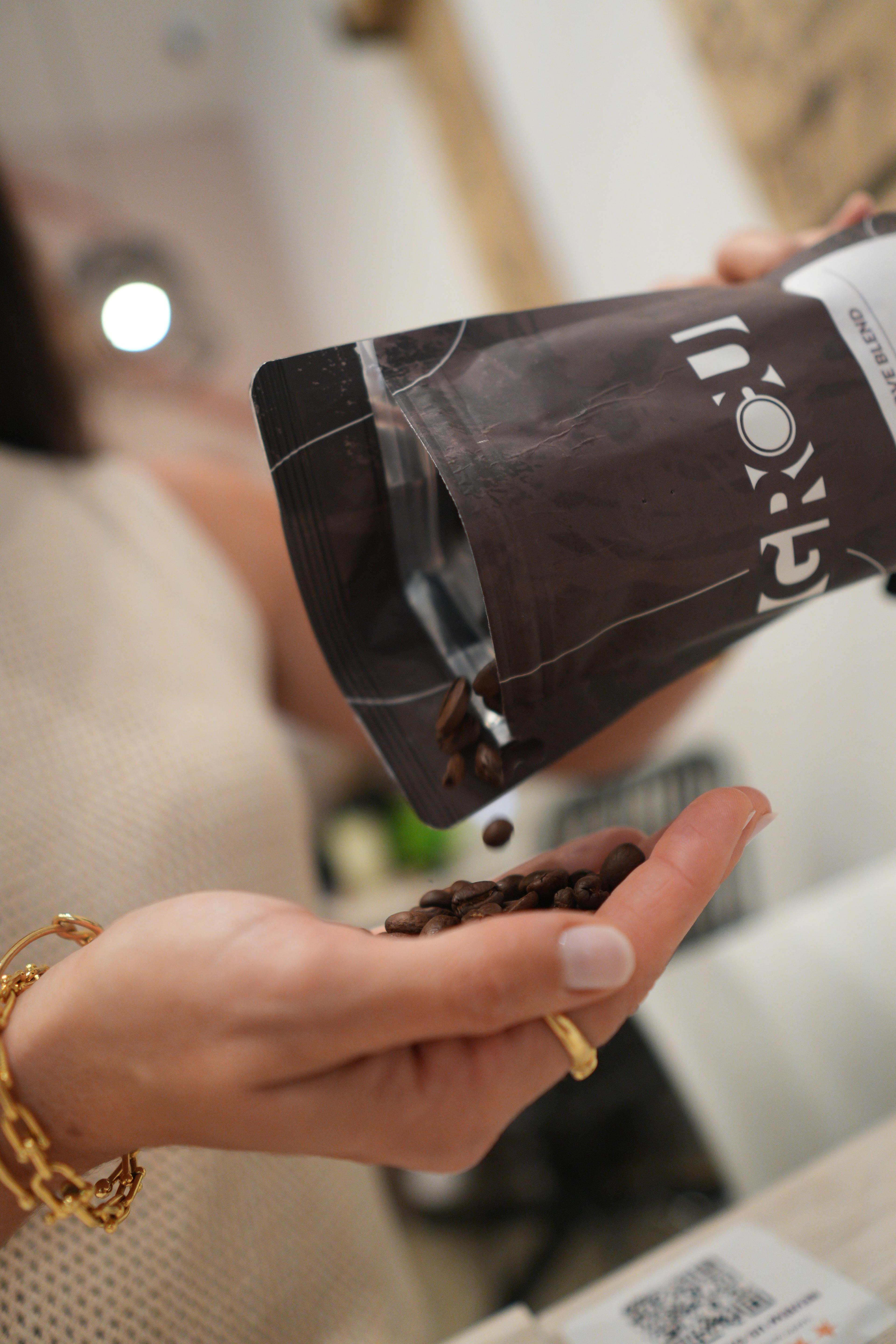
Washed vs Natural Coffee: How Processing Changes Flavor
Washed and natural describe what happens after coffee cherries are picked. Learn how each process works and what it can change in the cup.
Before coffee reaches a roaster, each seed has to be separated from a ripe fruit called a coffee cherry and dried to a stable condition. “Washed” and “natural” describe two different ways producers manage that work after harvest.
Processing can influence aroma, sweetness, acidity, body and consistency. It does not operate alone: variety, climate, ripeness, fermentation, drying, storage and roasting all shape the final cup.
The short answer
Washed coffee has most of the fruit removed before the seed is dried. It often tastes clean, bright and clearly defined.
Natural coffee dries inside the whole cherry before the dried fruit is removed. It often shows fuller body, pronounced fruit and fermented or wine-like notes.
These are useful tendencies, not guarantees. A natural can be delicate and clean; a washed coffee can be rich and fruit-forward.
What is washed coffee?
Ripe cherries are sorted.
A depulper removes the outer skin and much of the fruit.
The sticky mucilage around the seed is broken down through fermentation, removed mechanically or managed with a combination of methods.
The coffee is washed when required and then dried in parchment.
After resting, the parchment is removed before export and roasting.
Because much of the fruit is removed early, producers can focus on controlled fermentation and even drying of the seed. Washed coffees are often associated with clarity, a crisp finish and acidity that makes origin and variety easier to recognize.
What is natural coffee?
Ripe cherries are sorted and spread on patios, raised beds or mechanical dryers.
The entire cherry dries around the seed.
Producers turn and monitor the fruit to manage moisture and fermentation.
When drying is complete, the hardened fruit layers are hulled away.
Long contact between seed, fruit and microorganisms can create intense fruit character and a round, syrupy body. Careful drying is essential. If layers dry unevenly or fermentation runs out of control, the cup may develop unpleasant over-fermented or moldy defects.

How processing changes flavor
Washed tendency: higher clarity, crisp acidity, lighter or more structured body, floral and citrus detail.
Natural tendency: stronger berry or tropical fruit, heavier body, amplified sweetness and fermentation character.
Both: can produce exceptional coffee or defects. The process name is not a quality grade.
The Specialty Coffee Association’s article on the role of fermentation in coffee processing explains why microbial activity, temperature, time and producer decisions make the reality more nuanced than two flavor boxes.
What about honey process?
Honey process sits between the simplified definitions of washed and natural. The skin is removed, but some mucilage remains while the seed dries. Terms such as white, yellow, red and black honey may describe different amounts of mucilage or drying practices, but their meaning can vary by country and producer.
A honey-processed coffee may combine some washed clarity with natural-like sweetness and body. As always, the producer’s detailed information is more useful than relying on color terminology alone.
Does natural coffee contain more sugar?
A natural coffee may taste sweeter, but brewed coffee is not becoming a sugary fruit drink. Perceived sweetness comes from aroma, acidity, bitterness, roast development and soluble compounds working together. The process changes sensory character; it does not mean spoonfuls of cherry sugar move intact into the cup.
Is washed coffee more sustainable?
There is no universal answer. Traditional washed processing can require significant water and wastewater management, while modern equipment and recirculation can reduce use. Natural processing needs less washing water but requires space, suitable drying conditions and careful labor. Local climate, infrastructure and producer practices determine the real impact.
A process label alone cannot tell you water use, labor conditions or environmental performance. Traceability and producer-specific information matter.
How roast affects the difference
A lighter roast may preserve more of the distinctions created by origin and processing. A darker roast can bring roasted, bittersweet flavors forward and make the two coffees feel more similar. Review light vs dark roast before judging a process only by one cup.
How to taste them side by side
Choose coffees with clearly stated processes and reasonably similar roast levels.
Use the same brewer, water, ratio and temperature.
Taste hot, warm and cooler.
Record aroma, fruit character, acidity, sweetness, body and finish.
Notice preferences without turning them into universal quality rules.
The same experiment becomes more useful with a repeatable coffee-to-water ratio and the correct setting from our grind size guide.
Which should you choose?
Choose washed when you want clarity, structure and a transparent view of origin. Try natural when you want bold fruit, sweetness and a fuller texture. Then keep exploring: variety and species can change the picture, as explained in our guide to Arabica vs Robusta.
Our article on single origin vs blend adds another important label to the conversation. You can also explore current coffee through the GROU shop and ask what process is featured on the menu.
Frequently asked questions
- What is the difference between washed and natural coffee?
- Washed coffee has most of the fruit removed before the seed dries, so it usually tastes clean, bright and clearly defined. Natural coffee dries inside the whole cherry before the dried fruit is stripped away, which tends to give fuller body, pronounced fruit and fermented or wine-like notes. These are tendencies, not guarantees. A natural can be delicate and clean, and a washed coffee can be rich and fruit-forward.
- Which should I choose, washed or natural coffee?
- Choose washed when you want clarity, structure and a transparent view of where the coffee comes from. Choose natural when you want bold fruit, sweetness and a fuller texture. Neither name is a quality grade, because both processes can produce exceptional coffee or defects. Variety, species and whether the bag is single origin or a blend also change the picture, so treat the process as one clue among several.
- Does natural coffee have more sugar than washed coffee?
- No. A natural coffee may taste sweeter, but brewed coffee is not turning into a sugary fruit drink. Perceived sweetness comes from aroma, acidity, bitterness, roast development and soluble compounds working together. Processing changes the sensory character of the cup. It does not mean spoonfuls of cherry sugar move intact into your brew, so a sweeter-tasting natural is a flavor impression rather than added sugar.
- What is honey process coffee?
- Honey process sits between washed and natural. The skin is removed, but some of the sticky mucilage stays on the seed while it dries, so the cup can combine some washed clarity with natural-like sweetness and body. Terms such as white, yellow, red and black honey may describe different amounts of mucilage or drying practices, though their meaning can vary by country and producer. Detailed producer information beats color terminology.
- Does roast level change the difference between washed and natural coffee?
- Yes. A lighter roast tends to preserve more of the distinctions created by origin and processing, so washed and natural coffees can taste further apart. A darker roast tends to bring roasted, bittersweet flavors forward and can make the two feel more similar. That is why judging a process from a single dark-roasted cup is unfair. Compare them at similar roast levels, with the same brewer, water, ratio and temperature.
- Where can I try specialty coffee in Coral Gables?
- GROU Coffee + Cowork serves specialty coffee at 4100 Salzedo St STE 5, Coral Gables, FL 33146, with a 4.8 rating from more than 1,000 Google reviews. The bar covers espresso, americano, cappuccino, latte, flat white, cortado and cold brew, plus matcha and chai options, alongside an all-day brunch kitchen and a coworking space. Hours are Monday to Friday 7:30 AM to 6 PM and Saturday and Sunday 8:30 AM to 3 PM.
Visit us
GROU Coffee + Cowork
- Mon-Fri 7:30 AM - 6 PM Sat-Sun 8:30 AM - 3 PM
- 2 hours free parking Walk in, no reservations
Keep reading
How to Know If Your Coffee Is Expired (And Why Roast Date Matters More)
Discover how to know if your coffee is expired and why the roast date matters more than the expiration date for freshness and flavor.

What Is a Cortadito? Miami's Coffee, Explained
A cortadito is Cuban espresso cut with steamed milk and sweetened as it brews. The sugar is the part everyone gets wrong.
What Is a Chagaccino? The Chaga Coffee Drink, Explained
A chagaccino is a cappuccino made with chaga, a fungus that grows on birch trees, blended with cocoa and cinnamon. Here is what it tastes like, how much caffeine it has, and what nobody can honestly claim about it.