
How to Know If Your Coffee Is Expired (And Why Roast Date Matters More)
Discover how to know if your coffee is expired and why the roast date matters more than the expiration date for freshness and flavor.
Are You Drinking Expired Coffee?
Wait: are you sipping on expired coffee right now? Don't panic. Chances are it's not technically "expired." But there's something you should be paying attention to that most people overlook.
Does Coffee Have an Expiration Date?
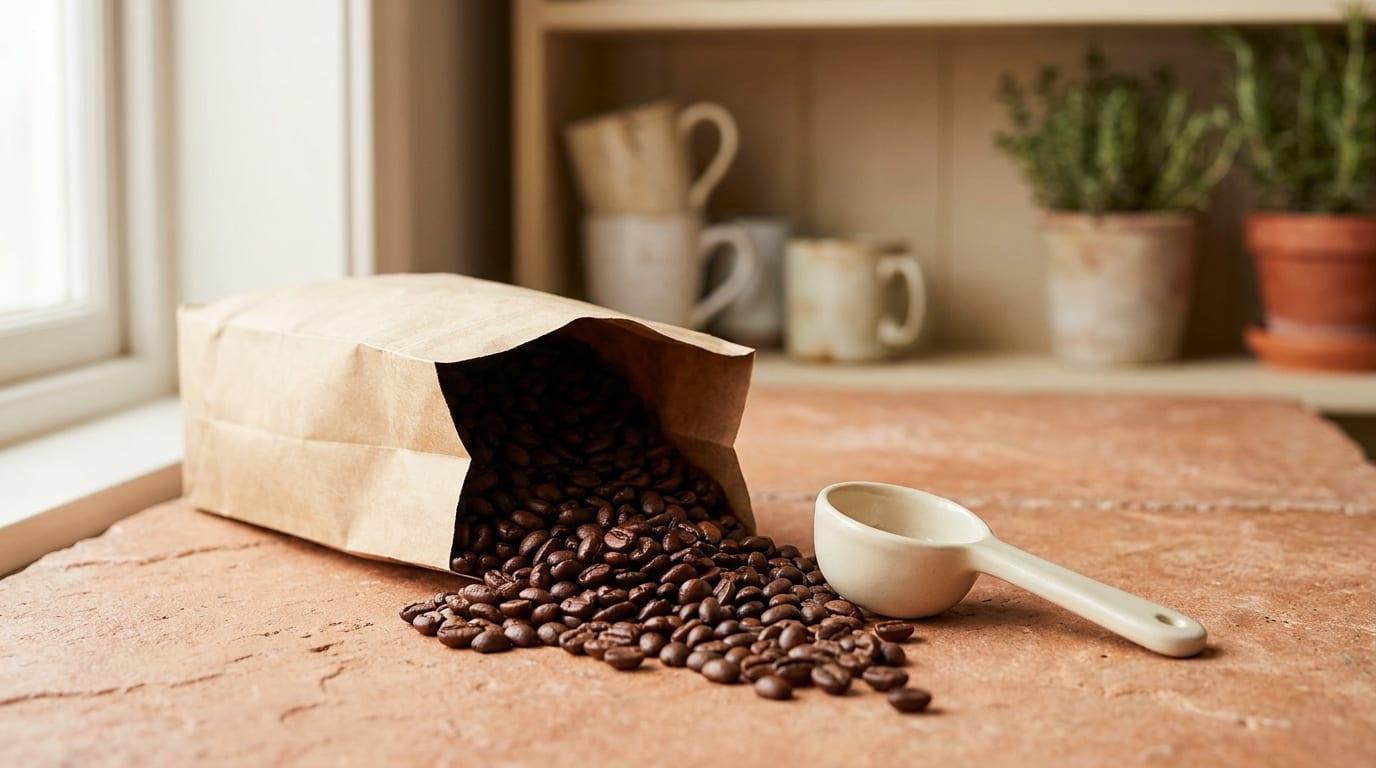
Yes, every bag carries a printed "best by" date, but it is a shelf-life estimate, not a safety deadline. Roasted coffee is a dry, shelf-stable product: it does not spoil the way milk does, it just slowly loses aroma and flavor. So the printed date tells you when the seller stops promising peak quality, while the roast date tells you how fresh the coffee actually is.
How Long Is Coffee Good After the Expiration Date?
Coffee rarely goes bad the way milk does. A sealed bag of whole beans is still safe to drink 6 to 12 months past the printed date, and sealed ground coffee about 3 to 5 months past it. What fades is flavor: aroma and complexity drop sharply after roughly 60 days from the roast date, long before the bag technically expires.
| Coffee | Safe to drink | Tastes its best |
|---|---|---|
| Sealed whole beans | 6 to 12 months past the date | Within 60 days of roasting |
| Sealed ground coffee | 3 to 5 months past the date | Within 30 days of roasting |
| Opened bag | A few months, stored airtight | 2 to 3 weeks |
Expiration Date vs. Roast Date
When it comes to specialty coffee, the expiration date on the bag doesn't tell the full story. What really matters is the roast date.
Here's why: coffee is at its peak flavor within about 60 days of roasting. After that, the aromas fade, the oils break down, and the taste loses its vibrancy. So while the coffee might still be safe to drink months later, it won't deliver that rich, fresh experience you're craving.
Why Big Brands Keep You in the Dark
Most supermarket brands don't print the roast date on their bags. Instead, they rely on expiration dates, sometimes a year or more into the future. Thatmeans you have no clue when your coffee was actually roasted, or how long it's been sitting on a shelf.
Freshness is everything in specialty coffee. Without the roast date, you're drinking blind.
The Fresh Coffee Rule
Want to make sure every cup tastes incredible?
· Check the roast date. Always choose coffee that clearly shows when it was roasted.
· Stay within 60 days. That's the sweet spot for flavor.
· Buy in smaller batches. Fresher beans, less waste.
Coffee Needs to Rest First: The Degassing Window
Freshness is not simply a matter of newer being better. Roasting leaves the bean packed with carbon dioxide, and beans release over 40% of that CO2 in the first 24 hours alone. Brew a bag the day it comes off the roaster and the escaping gas pushes water away from the grounds, so the cup lands thin and sour. Coffee needs a few days to settle: roughly 3 to 5 days after roasting for drip and pour over, and closer to 5 to 10 days for espresso. That is why a bag that tastes sharp on Monday can taste round and sweet by Friday. After that the coffee sits in its window, excellent through the first few weeks, still very good out to about 60 days, and steadily flatter from there.
Sealed vs. Opened: When the Clock Speeds Up
An unopened bag is protected. Specialty bags carry a one-way valve that lets CO2 escape without letting oxygen in, and oxygen, not time, is what actually ruins coffee. The moment you break the seal that protection is gone. The National Coffee Association puts opened whole beans at roughly one to three weeks of good flavor at room temperature, and pre-ground coffee at about one to two weeks. Meanwhile the USDA gives unopened ground coffee three to five months of best quality in the pantry. Same coffee, completely different clocks. That is the real argument for buying a bag you can finish rather than the biggest one on the shelf.
How to Tell If Your Coffee Has Gone Off
You do not need equipment for this. You need your nose, your eyes and one brew.
Smell it first. Fresh coffee smells sweet and aromatic right through the bag. Stale coffee smells like cardboard, or faintly like old cooking oil as the bean's natural oils oxidize. Coffee that smells musty, sour or sharply rancid has gone past stale.
Then look. Clumping, dampness or any fuzz means the bag met moisture, and that bag goes in the trash. Dry, loose, evenly colored grounds are fine no matter what the printed date says.
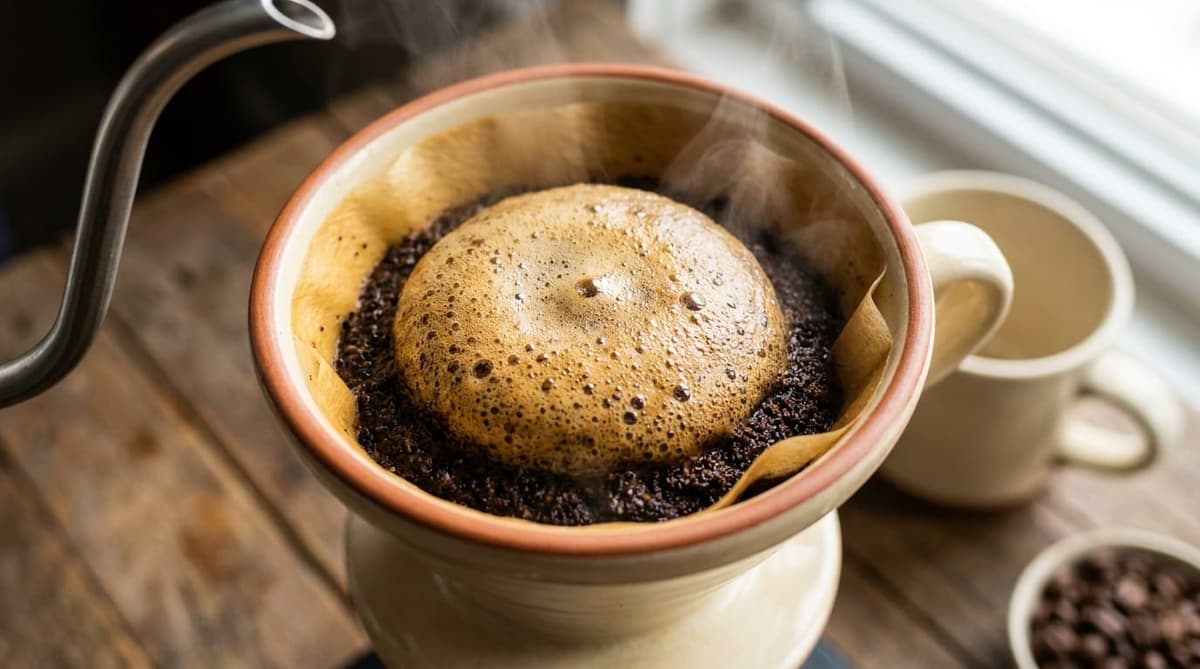
Then brew. Pour a little hot water over freshly ground coffee, about twice the weight of the coffee, and watch. Fresh grounds swell into a rising dome of foam as the trapped carbon dioxide escapes. That is the bloom. Stale grounds barely move. A flat bloom is not a safety signal, it simply tells you the aromatics have already left.
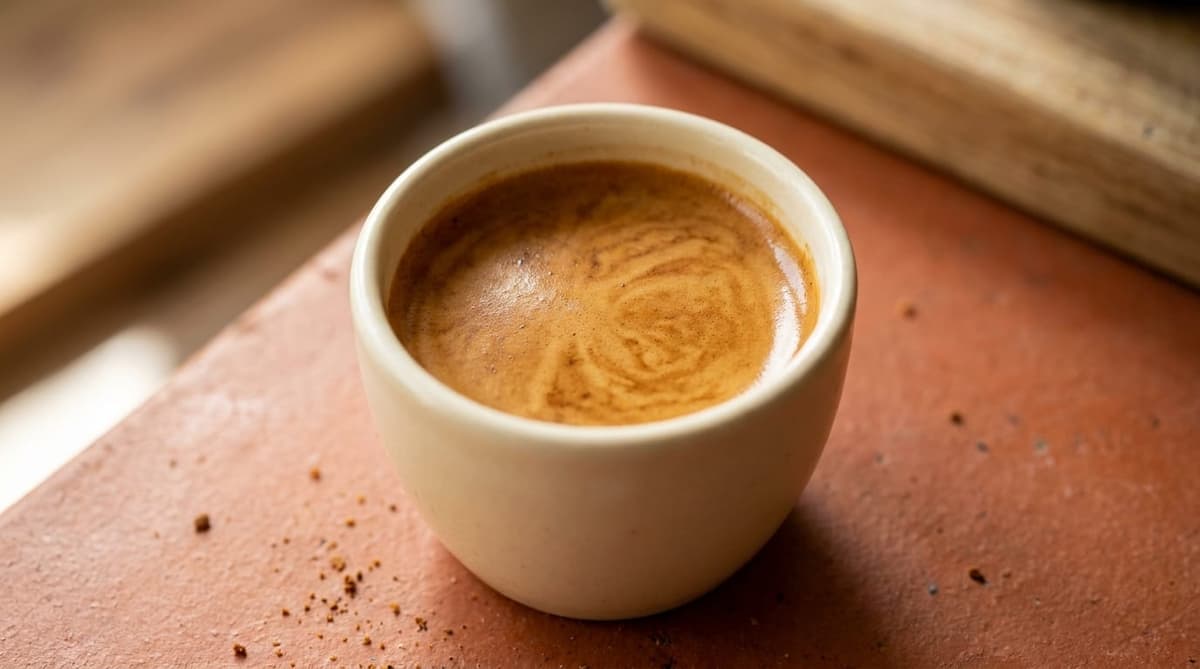
Espresso gives you the same reading faster. Crema is that same carbon dioxide emulsified with coffee oils under pressure, so fresh beans build a thick, persistent, reddish-brown layer while old beans leave a pale, bubbly film that collapses within seconds. Our guide to espresso crema breaks down what that layer is telling you.
Is It Bad to Drink Expired Coffee?
For dry coffee that looks and smells normal, no. It is a flavor problem, not a health one. Coffee is a low-moisture product, and the "best by" date on the bag is a quality estimate rather than a safety deadline. Both the FDA and the USDA treat that wording as guidance about peak quality.
The real risk is water, not the calendar. Coffee that has been damp can grow mold, and coffee contains unsaturated oils that eventually turn rancid, which can cause mild stomach discomfort in some people. So the line is simple: visible mold, clumping, a damp feel, a musty or sour smell, pests, or a punctured bag all mean throw it out. Everything else is just coffee that will taste dull.
How to Store Coffee So It Lasts
The National Coffee Association names four enemies: air, moisture, heat and light.
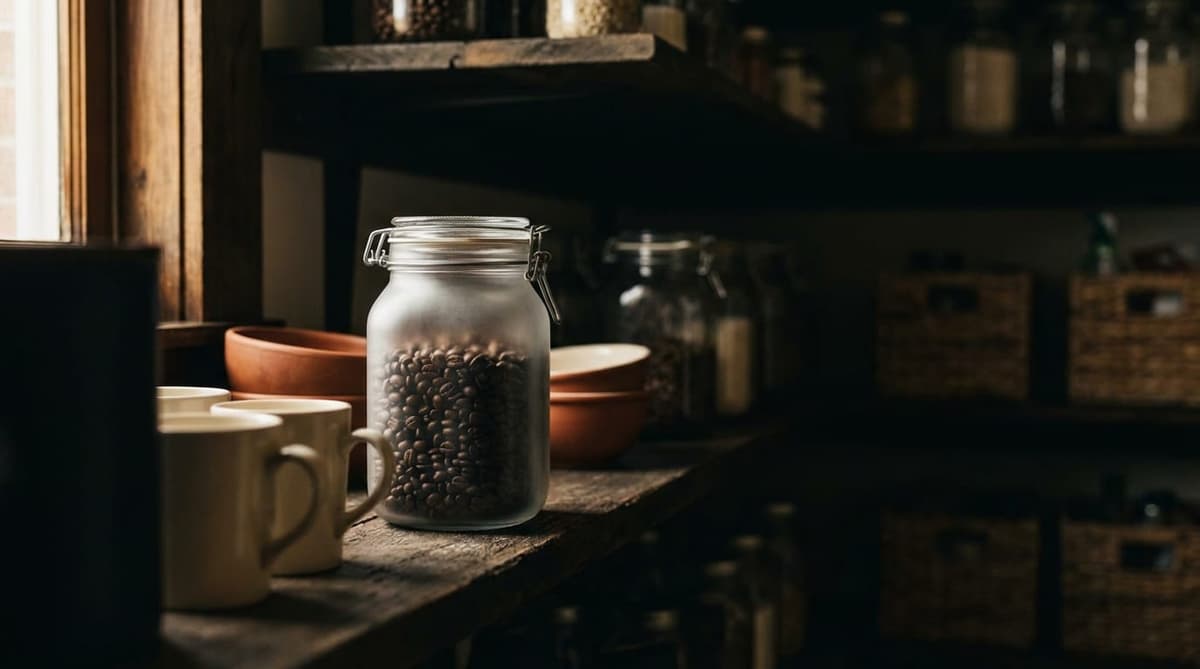
Keep beans in an airtight, opaque container in a cool, dark cupboard. Not on the counter beside the espresso machine, not above the oven or the dishwasher, and not anywhere that catches afternoon sun. Buy whole beans and grind right before you brew, because grinding multiplies the surface area meeting oxygen and roughly halves how long the flavor holds.
Miami makes this harder than most places. In humid climates the freezer genuinely helps, but only in a truly airtight container, and only if you take out about a week at a time so condensation never forms on the beans going back in. The refrigerator is the one place coffee should never live: it is humid, and coffee pulls in every odor around it.
The simplest fix is to stop storing so much of it. A bag you finish in two or three weeks never gets old enough to need rescuing, which is the whole idea behind a monthly coffee subscription.
Taste the Difference at GROU
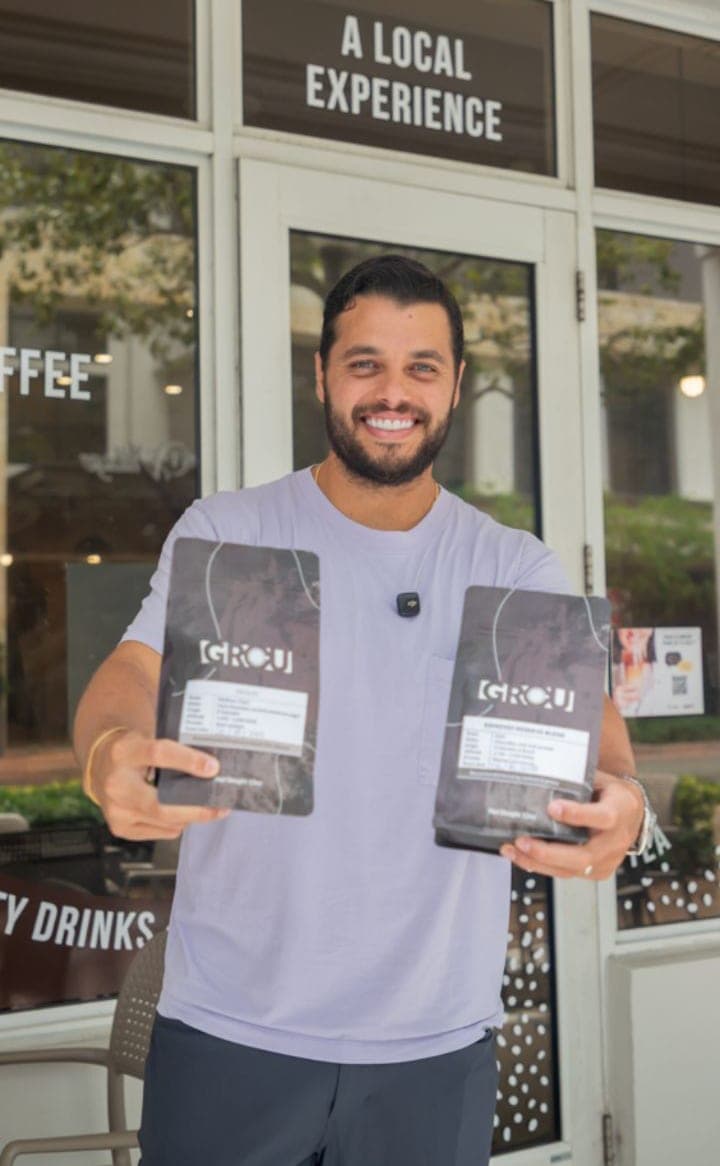
We believe coffee should be enjoyed at its best, not months past its prime. That's why every bag at GROU comes with a roast date, so you know exactly how fresh it is.
👉 Order your bag online or pick one up next time you visit us. Freshness you can taste, quality you can trust. ☕
More from GROU: Order fresh-roasted beans and merch from the GROU shop, book a desk, meeting room or private office at GROU Cowork in Coral Gables, or see the menu.
Frequently asked questions
- How long is coffee good after the expiration date?
- Longer than most people think, because the date on a coffee bag is a quality estimate rather than a safety deadline. Roasted coffee is a dry, shelf-stable product, so a sealed bag stored somewhere cool and dark stays safe to brew for months past the printed date. What you lose is flavor, not safety. Aroma and complexity fade steadily once the beans have been off the roaster for a couple of months, so coffee found at the back of a cupboard will usually taste flat and papery rather than make you sick.
- Does coffee have an expiration date?
- Every bag carries a printed date, but on coffee it is almost always a "best by" or "best if used by" date, which the FDA and USDA treat as a quality guideline, not a safety cutoff. It tells you how long the seller promises peak quality. The more useful number for specialty coffee is the roast date, because that is what tells you how fresh the coffee actually is. A bag can be a year away from its printed date and still have been roasted eight months ago.
- Can drinking expired coffee make you sick?
- Dry coffee that looks and smells normal will not make you sick, even well past the printed date. It will taste dull. The real risk is moisture, not time: if coffee has been damp, it can grow mold, and old coffee oils can go rancid and cause mild stomach discomfort in some people. Throw the bag out if you see mold or clumping, if the grounds feel damp, or if it smells musty or sharply sour instead of like coffee. Otherwise it is a flavor problem, not a health one.
- What is the difference between a roast date and an expiration date on coffee?
- The roast date is the day the green beans were roasted. The expiration or "best by" date is a shelf-life estimate the seller prints, often set a year or more into the future. Only the roast date tells you how fresh the coffee is, because coffee starts losing aroma from the moment it leaves the roaster. Most supermarket bags print only the expiration date, which means you have no way to know whether the beans were roasted three weeks ago or ten months ago.
- How long does coffee last after you open the bag?
- Once the seal is broken, oxygen gets in and the clock speeds up. The National Coffee Association puts whole beans at room temperature at about one to three weeks and pre-ground coffee at about one to two weeks before the flavor noticeably drops off. It stays safe to drink well beyond that, but it stops tasting like the coffee you paid for. Squeeze the air out, keep the bag closed tight in a cool dark spot, and buy a size you will finish in two or three weeks.
- How can you tell if coffee has gone bad?
- Start with your nose. Fresh coffee smells sweet and aromatic through the bag; stale coffee smells like cardboard or faintly like old cooking oil, and truly spoiled coffee smells musty or sour. Then look: clumping, dampness or any fuzz means throw it out. Then brew. Pour a little hot water over fresh grounds and watch for the bloom, the dome of bubbles that rises as trapped carbon dioxide escapes. Fresh coffee blooms dramatically, stale coffee barely moves. On espresso, the same gas is what makes crema, so a thin, pale layer that disappears in seconds is a sign the beans are old.
- How should you store coffee to keep it fresh?
- Protect it from the four things that ruin it: air, moisture, heat and light. Keep it in an airtight, opaque container in a cool dark cupboard, away from the oven, the dishwasher and any spot that gets afternoon sun. Buy whole beans and grind right before you brew, because ground coffee stales roughly twice as fast. In a humid climate like Miami the freezer can help, but only in a genuinely airtight container, and take out no more than a week at a time so condensation never forms on the beans. Never store an open bag in the fridge, where coffee absorbs odors and picks up moisture.
- Does ground coffee expire faster than whole beans?
- Yes, and the difference is large. Grinding multiplies the surface area exposed to oxygen, so a ground bag loses its aromatics in a fraction of the time whole beans take. The National Coffee Association puts opened ground coffee at roughly one to two weeks of good flavor at room temperature against one to three weeks for whole beans, and the USDA gives unopened ground coffee about three to five months of best quality in the pantry. If you want your coffee to last, buy whole beans and grind each morning.
Visit us
GROU Coffee + Cowork
- Mon-Fri 7:30 AM - 6 PM Sat-Sun 8:30 AM - 3 PM
- 2 hours free parking Walk in, no reservations
Keep reading
What Is a Cortadito? Miami's Coffee, Explained
A cortadito is Cuban espresso cut with steamed milk and sweetened as it brews. The sugar is the part everyone gets wrong.
What Is a Chagaccino? The Chaga Coffee Drink, Explained
A chagaccino is a cappuccino made with chaga, a fungus that grows on birch trees, blended with cocoa and cinnamon. Here is what it tastes like, how much caffeine it has, and what nobody can honestly claim about it.
What Is a Vietnamese Latte? Coffee, Condensed Milk and Why It Works
Strong dark coffee plus sweetened condensed milk: what a Vietnamese latte actually is, why the condensed milk changes everything, and how it compares to a regular latte.