
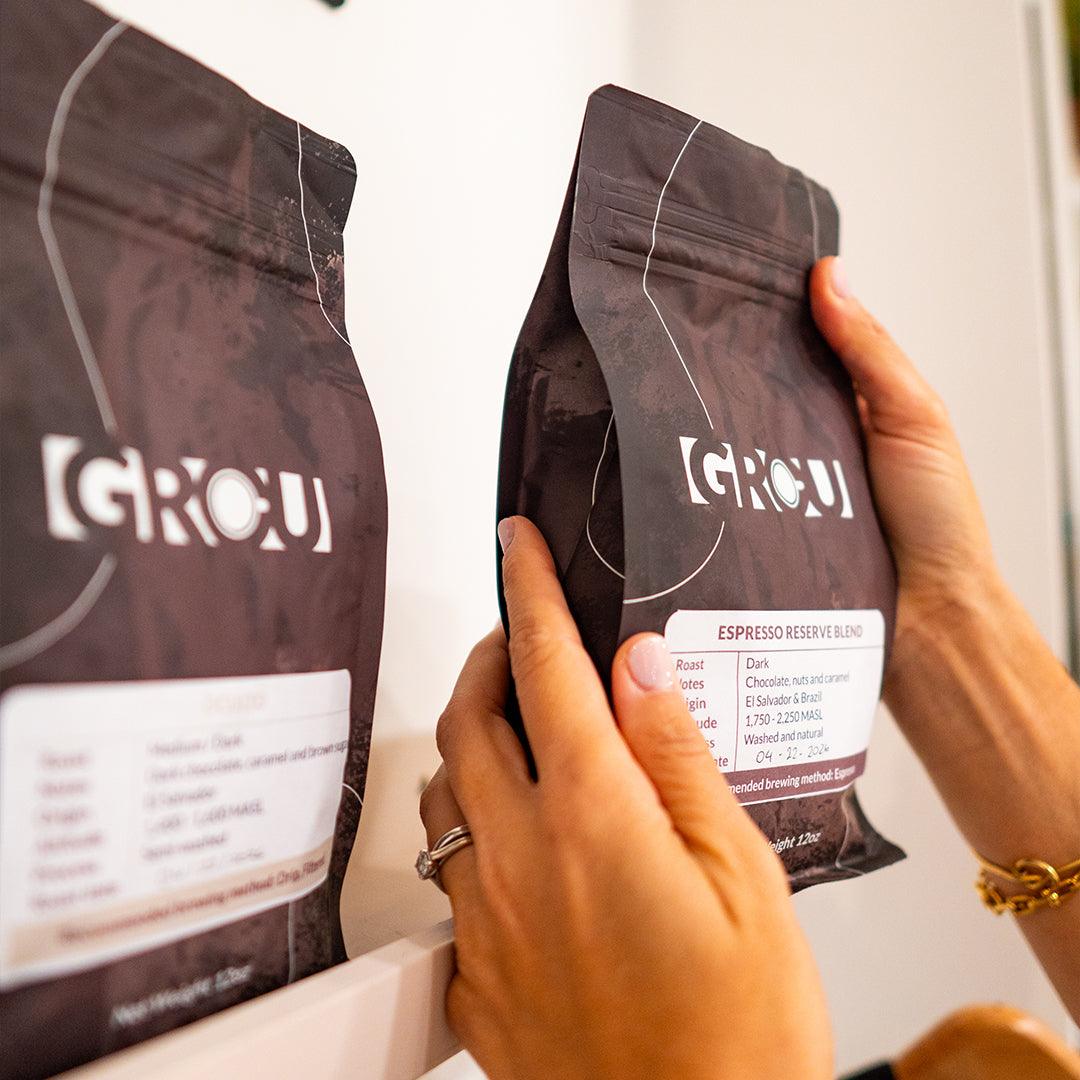
How to Store Coffee Beans So They Stay Fresh Longer
Protect coffee beans from air, heat, light and moisture with a simple storage routine, and learn when freezing makes sense.
Coffee begins changing as soon as it leaves the roaster. Aromatic compounds slowly escape and oxygen reshapes the flavors that remain. Good storage cannot stop time, but it can help the coffee keep its clarity and sweetness long enough for you to enjoy the bag.
The goal is simple: protect whole beans from air, moisture, heat and light, then grind only what you need.
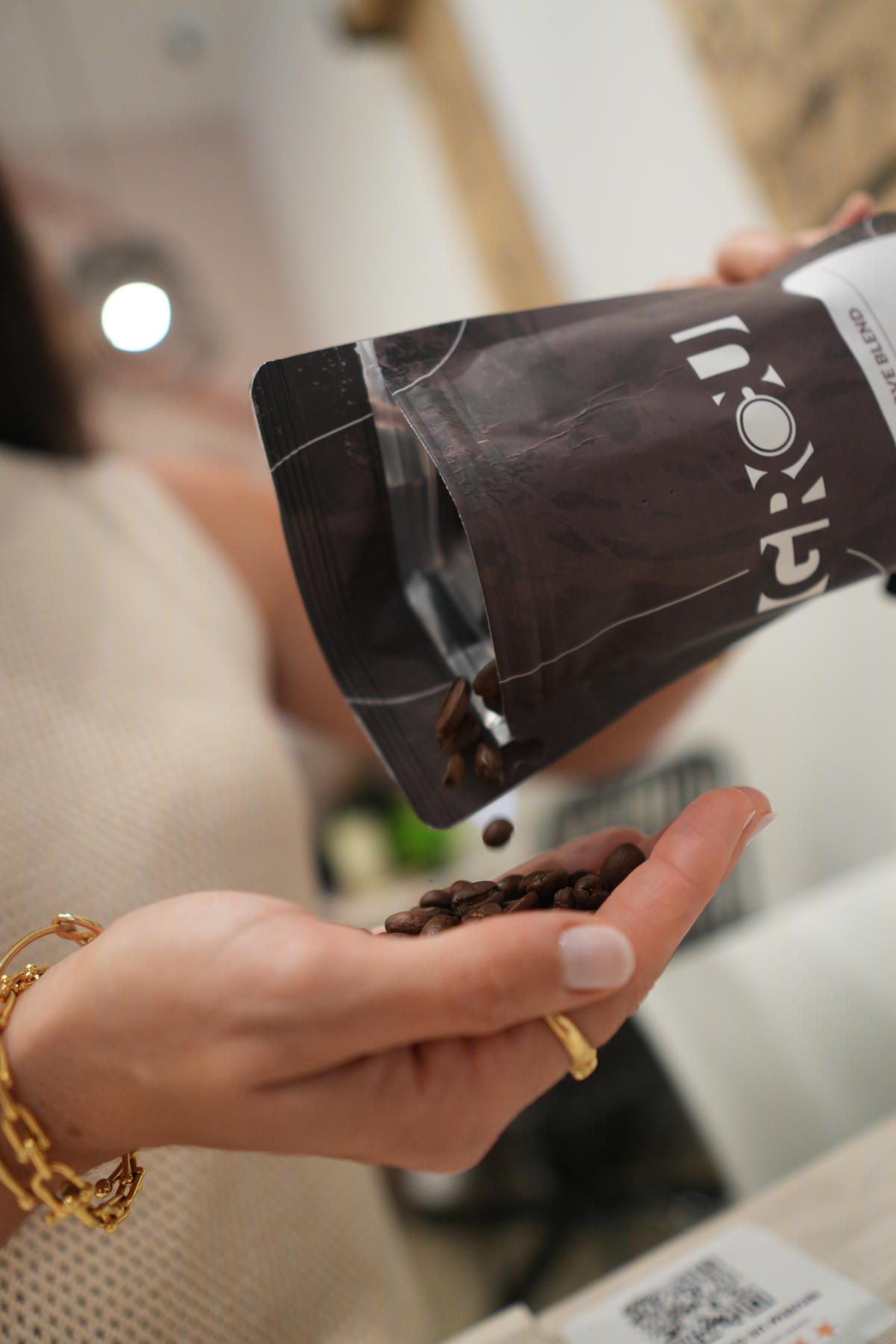
The best everyday setup
Keep coffee as whole beans until you brew.
Use the original resealable bag if it closes well, or move the beans to a clean airtight container.
Store the bag or container in a cool, dark cabinet away from the oven, dishwasher and direct sun.
Open it briefly, remove the dose you need and close it again.
Buy an amount that fits your normal pace of drinking.
A quality coffee bag with a one-way valve is designed to let gas escape while limiting outside air. There is no need to transfer the beans only for appearance; a well-sealed original bag inside a cabinet is often an excellent solution.
The four enemies of coffee freshness
Air
Every opening brings fresh oxygen into contact with the beans. Choose a container close to the amount of coffee inside rather than a very large jar with lots of empty space. Close the seal promptly and avoid leaving the bag open during the entire brewing routine.
Moisture
Roasted coffee is porous and can absorb moisture and nearby odors. Use a completely dry scoop and never return damp beans or utensils to the bag. This is one reason the refrigerator is usually inconvenient for a bag you open every day.
Heat
A cabinet beside an oven may look tidy but warms up repeatedly. Pick a stable, room-temperature location away from heat-generating appliances.
Light
Direct sunlight and bright kitchen counters expose coffee to both light and temperature swings. If your container is transparent, keep it inside a closed cabinet.
Should coffee beans go in the refrigerator?
For daily storage, usually not. Refrigerators contain moisture, odors and frequent temperature changes. Moving a container in and out can encourage condensation, especially if it is opened while cold.
A cool cupboard is more practical for the coffee you plan to use soon. If your home is unusually hot, prioritize the coolest stable interior cabinet, not the counter by a window.
Can you freeze coffee beans?
Freezing can be useful when you buy more coffee than you can reasonably drink while it still tastes lively. The key is to freeze in small, airtight portions so you do not repeatedly open, thaw and refreeze the same beans.
Divide the beans into portions you can use within a short period.
Remove as much air as practical and seal each portion carefully.
Label the coffee and date.
Take out one portion at a time and keep it sealed while it returns to room temperature.
Once opened, store and use that portion normally; do not cycle it in and out of the freezer.
Freezing is a preservation tool, not a way to restore coffee that has already become flat.
Whole bean vs ground coffee
Grinding dramatically increases the surface area exposed to air. That is helpful during brewing and unhelpful during storage. For the most expressive cup, keep beans whole and grind immediately before preparing them.
If you buy ground coffee, choose a bag size you can finish comfortably, press excess air out after each use and seal it well. Consistency still matters even when grinding at home is not practical.
Do you need a special container?
An opaque airtight canister is useful, especially if the original bag does not reseal. Vacuum-style containers can reduce the amount of air around the coffee, but no container replaces a good routine. Clean seals, a dry interior and a stable cabinet matter more than a complicated gadget.
How to tell when coffee has lost freshness
Look for changes in aroma and flavor rather than treating a printed date as an instant switch. Coffee that smells muted, tastes flat or requires unusually aggressive adjustments may be past its best. It can still be safe to brew if it is dry and free of contamination; “stale” describes quality, not automatically safety. Our guide to whether coffee is expired explains the distinction.
Build a better routine from the bag to the brewer
Start with coffee you are excited to drink from the GROU shop. Store it sealed in a cool, dark place, then weigh and grind only your dose. Use the coffee-to-water ratio guide for a repeatable recipe, and compare light vs dark roast when choosing your next profile.
Freshness is not about chasing a perfect number. It is about removing avoidable exposure and buying coffee at a rhythm that matches your life.
Frequently asked questions
- How do I store coffee beans to keep them fresh?
- Keep coffee beans whole, sealed and away from air, moisture, heat and light. The original resealable bag works well if it closes properly, and a clean airtight container is a good alternative. Store the bag or container in a cool, dark cabinet away from the oven, dishwasher and direct sun. Open it briefly, take out only the dose you need and close it again, and buy an amount that matches how fast you drink it.
- Should I keep coffee beans in the fridge?
- For everyday storage, the fridge is usually not the best spot. Refrigerators hold moisture, odors and frequent temperature changes, and moving a container in and out can encourage condensation, especially if you open it while it is still cold. Roasted coffee is porous, so it can absorb both moisture and nearby smells. A cool, stable cupboard is more practical for coffee you plan to use soon. If your home runs hot, pick the coolest interior cabinet instead of the counter by a window.
- Can you freeze coffee beans?
- Yes, freezing works when you buy more coffee than you can drink while it still tastes lively. Divide the beans into small portions you can finish in a short period, remove as much air as practical, seal each portion carefully and label it with the date. Take out one portion at a time and keep it sealed while it comes back to room temperature. Once opened, use that portion normally and do not cycle it back into the freezer. Freezing preserves; it does not revive flat coffee.
- Is it better to store whole beans or ground coffee?
- Whole beans stay fresh longer because grinding dramatically increases the surface area exposed to air. That extra surface helps while you are brewing and works against you while you are storing, so the most expressive cup comes from grinding right before you prepare the coffee. If you buy ground coffee, choose a bag size you can finish comfortably, press the excess air out after each use and seal it well.
- How do I know if my coffee beans are still fresh?
- Judge freshness by aroma and flavor rather than by a printed date. Coffee that smells muted, tastes flat or needs unusually aggressive adjustments to taste right has probably passed its best window. Stale is a quality problem, not automatically a safety one: if the beans are dry and free of contamination, they can still be safe to brew; they just will not taste as bright. Choosing a container close to the amount of coffee inside and resealing it quickly slows that decline.
- Where can I get specialty coffee in Coral Gables?
- GROU Coffee + Cowork is at 4100 Salzedo St STE 5, Coral Gables, FL 33146, and combines specialty coffee, an all-day brunch kitchen and a coworking space in one location. The bar covers espresso, cappuccino, flat white, cortado, latte and cold brew, and hours are Monday to Friday 7:30 AM to 6 PM and Saturday and Sunday 8:30 AM to 3 PM. Buying coffee at the pace of your week also keeps what you brew at home tasting better.
Visit us
GROU Coffee + Cowork
- Mon-Fri 7:30 AM - 6 PM Sat-Sun 8:30 AM - 3 PM
- 2 hours free parking Walk in, no reservations
Keep reading
How to Know If Your Coffee Is Expired (And Why Roast Date Matters More)
Discover how to know if your coffee is expired and why the roast date matters more than the expiration date for freshness and flavor.
What Is a Cortadito? Miami's Coffee, Explained
A cortadito is Cuban espresso cut with steamed milk and sweetened as it brews. The sugar is the part everyone gets wrong.
What Is a Chagaccino? The Chaga Coffee Drink, Explained
A chagaccino is a cappuccino made with chaga, a fungus that grows on birch trees, blended with cocoa and cinnamon. Here is what it tastes like, how much caffeine it has, and what nobody can honestly claim about it.