
Light Roast vs Dark Roast: Flavor, Caffeine and Which One to Choose
Light and dark roast are not measures of quality or strength. Compare flavor, acidity, bitterness and caffeine so you can choose with confidence.
“Light” and “dark” describe how far coffee has developed during roasting. They do not automatically tell you which coffee is better, stronger or more sophisticated. Roast level changes the balance between flavors created by the bean and flavors created by heat, and that changes what you notice in the cup.
If you enjoy one roast more than another, you are not choosing correctly or incorrectly. You are identifying the profile that fits your palate and the way you like to brew.
Light roast vs dark roast at a glance
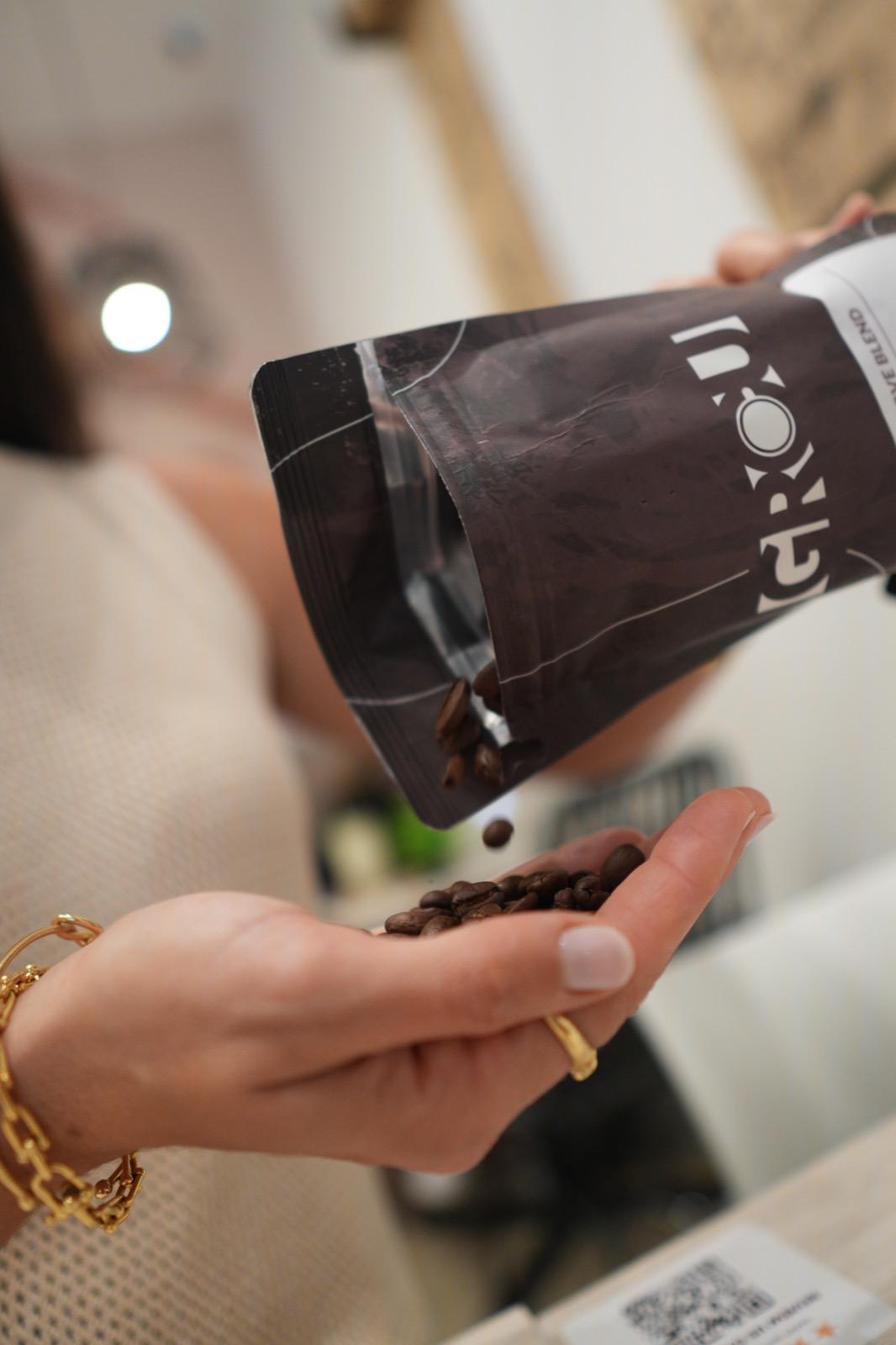
Light roast: often highlights floral, fruity, citrus or tea-like notes, with more noticeable acidity and less roast bitterness.
Medium roast: often balances origin character with caramelized sweetness and a rounded body.
Dark roast: emphasizes roasted, bittersweet, cocoa, smoky or spicy notes, usually with lower perceived acidity and more bitterness.
These are tendencies, not promises. Origin, variety, processing, freshness and brewing still shape the result. The Specialty Coffee Association’s overview of how consumers perceive roast level also notes that roast is a major driver of flavor preference.
What roasting changes
As green coffee absorbs heat, it loses moisture, changes color and develops hundreds of aromatic compounds. A lighter roast stops earlier, preserving more of the distinctions associated with origin and processing. A darker roast continues farther, bringing roast-driven flavors to the foreground.
Research summarized by the SCA found that darker roasting increased perceptions such as bitter, roasted and gritty while decreasing fruitiness and perceived acidity. That helps explain why two roast levels made from the same green coffee can taste dramatically different.
Which roast has more caffeine?
The practical answer is: the difference in your cup is usually smaller than people expect. Caffeine is relatively stable during normal roasting. The bigger variables are how you measure the beans and how you brew them.
Dark-roasted beans expand and become less dense. If you compare equal scoops, a scoop of light roast may contain slightly more coffee mass and therefore potentially more caffeine. If you compare equal weights, the caffeine amounts are often close. Dose, beverage size, bean species and extraction influence the final drink more than the color label alone.
So “dark roast tastes stronger” can be true as a flavor description, but it does not necessarily mean the drink contains more caffeine.
Is light roast more acidic?
Light roast often has brighter perceived acidity, the lively sensation that can remind you of citrus, berries or crisp fruit. That is not the same as saying it is objectively harsher on every stomach. Water composition, brew method, concentration and individual sensitivity all affect the experience.
If bright flavors feel too sharp, try a medium roast, a slightly longer extraction or an immersion method. If dark roast feels too bitter, use a little cooler water, shorten contact time or move toward medium.
How to choose for your brewing method
Pour-over and drip
These methods can reveal the clarity and aromatics of a light or medium roast. Start with the coffee-to-water ratio guide and adjust the grind before making big changes to the dose.
French press
The fuller texture of a French press can complement medium and dark profiles, but it can also give a light roast more body. Our French press vs pour-over comparison helps you choose between clarity and texture.
Espresso and milk drinks
Medium and dark roasts often hold their flavor clearly in milk, while a carefully dialed-in light roast can produce a bright, expressive espresso. There is no rule that espresso must be dark. The recipe simply has to fit the coffee.
Cold coffee
Roast level changes both iced coffee and cold brew. Darker profiles may feel chocolatey and bold; lighter profiles can feel fruitier and more delicate. See the difference between cold brew and iced coffee before choosing a method.
Roast level is only part of the label
Species also matters. Arabica and Robusta differ in genetics, agronomy and cup potential, but neither name replaces careful sourcing and roasting. Read our guide to Arabica vs Robusta for the wider picture.
The most useful experiment is a side-by-side tasting: prepare two coffees at the same ratio, let them cool slightly and note sweetness, acidity, bitterness, aroma and finish. You may discover that your preference changes with the method or time of day.
Explore current beans through the GROU shop, or visit the menu and ask the team which roast profile is in the grinder.
Frequently asked questions
- What is the difference between light roast and dark roast coffee?
- Light roast and dark roast describe how far the beans developed during roasting, and that changes the balance of flavors in the cup. Light roast often highlights floral, fruity, citrus or tea-like notes with more noticeable acidity and less roast bitterness. Dark roast emphasizes roasted, bittersweet, cocoa, smoky or spicy notes, usually with lower perceived acidity and more bitterness. Neither one is better. They are tendencies, and origin, processing, freshness and brewing still shape the result.
- Does dark roast have more caffeine than light roast?
- Not really. The difference in your cup is usually smaller than people expect, because caffeine is relatively stable during normal roasting. What matters more is how you measure the beans and how you brew them. Dark-roasted beans expand and become less dense, so if you scoop by volume, a scoop of light roast can hold slightly more coffee mass and potentially more caffeine. Weigh them instead and the amounts are often close.
- Is light roast coffee more acidic?
- Light roast usually has brighter perceived acidity, that lively sensation that can remind you of citrus, berries or crisp fruit. That is not the same as being objectively harsher on every stomach, since water composition, brew method, concentration and individual sensitivity all affect the experience. If bright flavors feel too sharp, try a medium roast, a slightly longer extraction, or an immersion method like a French press.
- Which roast is best for espresso and lattes?
- Medium and dark roasts often hold their flavor clearly in milk, which is why they are a common pick for a latte or a cappuccino. Still, there is no rule that espresso must be dark. A carefully dialed-in light roast can pull a bright, expressive shot. The recipe simply has to fit the coffee, so adjust the ratio and the extraction before you assume the roast is the problem.
- What roast should I use for cold brew or iced coffee?
- Roast level changes both cold brew and iced coffee, so choose by the flavor you want. Darker profiles tend to feel chocolatey and bold, which can work well when the coffee is served with milk or plenty of ice. Lighter profiles can feel fruitier and more delicate, with more origin character coming through. Neither is the correct answer. The easiest way to decide is to brew both at the same ratio and compare.
- Where can I try light roast and dark roast coffee in Coral Gables?
- You can try both at GROU Coffee + Cowork, a specialty coffee shop with an all-day brunch kitchen and a coworking space at 4100 Salzedo St STE 5, Coral Gables, FL 33146. The coffee menu runs from espresso, cappuccino, latte, flat white and cortado to cold brew and matcha latte. Hours are Monday to Friday 7:30 AM to 6 PM, Saturday and Sunday 8:30 AM to 3 PM. Ask the team which roast profile is in the grinder.
Visit us
GROU Coffee + Cowork
- Mon-Fri 7:30 AM - 6 PM Sat-Sun 8:30 AM - 3 PM
- 2 hours free parking Walk in, no reservations
Keep reading
How to Know If Your Coffee Is Expired (And Why Roast Date Matters More)
Discover how to know if your coffee is expired and why the roast date matters more than the expiration date for freshness and flavor.
What Is a Cortadito? Miami's Coffee, Explained
A cortadito is Cuban espresso cut with steamed milk and sweetened as it brews. The sugar is the part everyone gets wrong.
What Is a Chagaccino? The Chaga Coffee Drink, Explained
A chagaccino is a cappuccino made with chaga, a fungus that grows on birch trees, blended with cocoa and cinnamon. Here is what it tastes like, how much caffeine it has, and what nobody can honestly claim about it.