
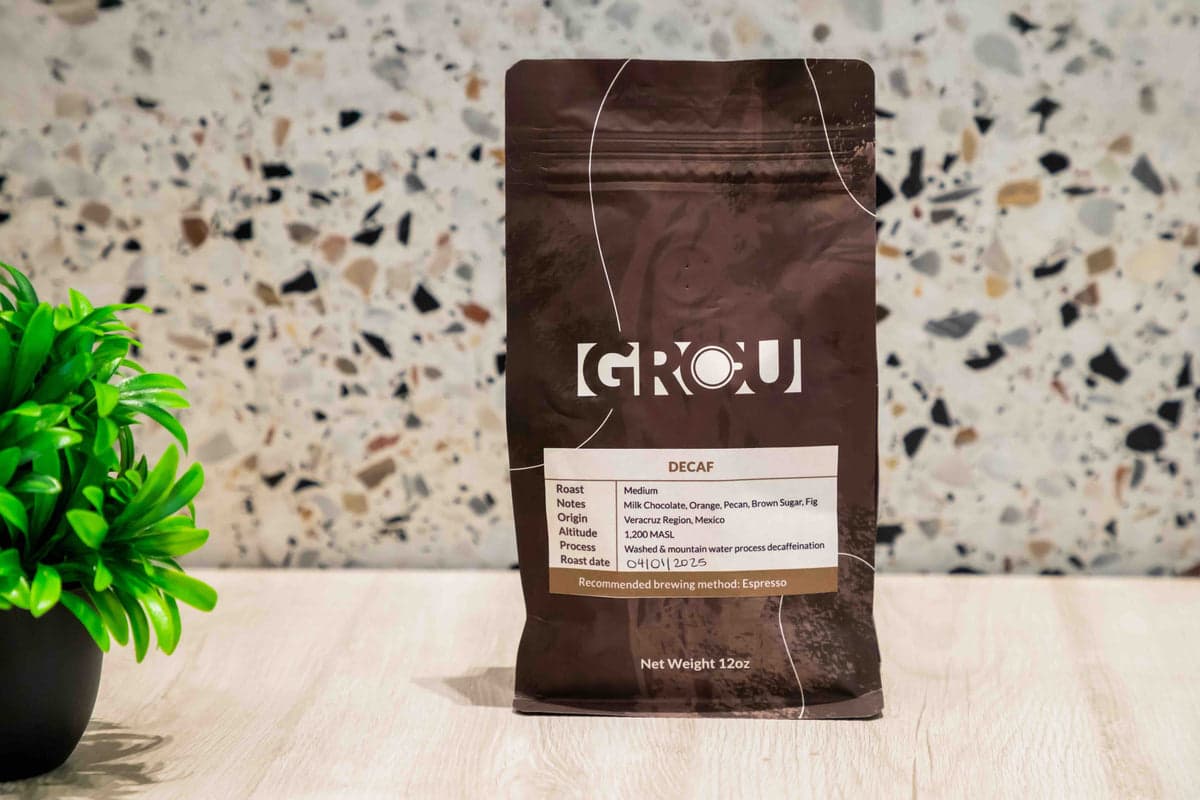
Does Decaf Coffee Have Caffeine? Decaf vs Regular Coffee
Decaf is not completely caffeine-free. Learn how much caffeine it usually contains, how it is made and how flavor compares with regular coffee.
Decaf coffee is made for people who want the ritual and flavor of coffee with much less caffeine. But the name can be misleading: decaffeinated does not mean caffeine-free.
The amount left in the cup is small compared with regular coffee, yet it can matter if you are highly sensitive, tracking total intake or drinking several cups late in the day.
The short answer
Yes, decaf coffee contains caffeine. The U.S. Food and Drug Administration says an 8-fluid-ounce cup of decaf typically contains 2 to 15 milligrams. The exact amount varies by bean, process, dose, brew method and serving size. See the FDA’s guidance on caffeine and decaffeinated coffee.
Regular brewed coffee usually contains much more, but it also varies widely. A large drink, a higher coffee dose or a blend with more naturally caffeinated beans can change the comparison.
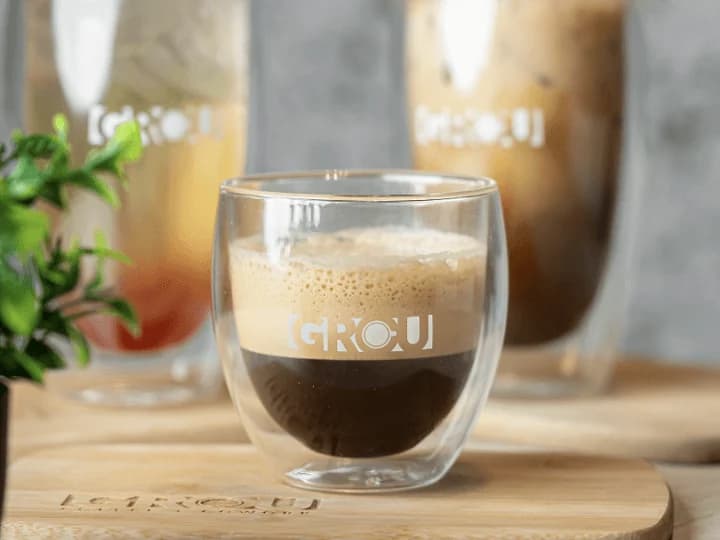
Decaf vs regular coffee
Caffeine: decaf has substantially less, but usually not zero.
Flavor: both can be sweet, aromatic and balanced when the green coffee, decaffeination, roast and brewing are handled carefully.
Preparation: decaf can be brewed with the same equipment as regular coffee, though the grind or recipe may need a small adjustment.
Best use: regular coffee may suit the moment when caffeine is welcome; decaf makes the coffee ritual easier to enjoy later or when intake is being reduced.
How is coffee decaffeinated?
Decaffeination happens while coffee is still green, before roasting. The beans are prepared so caffeine can be drawn out, then dried and roasted. Different systems use water, carbon dioxide or approved solvents to separate caffeine from the bean.
The National Coffee Association explains that decaffeination typically removes around 97% of the naturally occurring caffeine. Its guide to how decaf coffee is made outlines the principal methods and why some caffeine remains.
Water-based processes
Water-based systems use differences in solubility and filtration to remove caffeine while trying to retain the compounds that shape flavor. Names such as Mountain Water Process or Swiss Water refer to specific approaches and operators, not a generic promise that every water-processed coffee will taste the same.
Carbon dioxide and solvent-based processes
Other methods use pressurized carbon dioxide or approved solvents that selectively bind with caffeine. The processing agent is removed before roasting, and the decaffeinated green coffee is then roasted like other coffee.
The method matters, but it is not the only quality signal. Bean quality, freshness and roasting still influence the final cup.
Does decaf taste different?
It can. Decaffeination changes the physical structure of green coffee and can soften some aromatic intensity. Older or poorly roasted decaf may taste flat, which helped create its reputation. Modern specialty decaf can preserve sweetness, acidity and origin character far more successfully.
Look for the same useful information you would want on regular coffee: origin, roast profile, tasting notes, process and roast date. Then protect the bag with our guide to storing coffee beans.
Does dark roast decaf have more or less caffeine?
Roast color alone is not a dependable caffeine calculator. Dose, bean mass, species, serving size and extraction matter more than whether the beans look light or dark. Our guide to light vs dark roast explains why a stronger roasted flavor does not automatically equal more caffeine.
How to brew decaf well
Use fresh whole beans and grind immediately before brewing.
Start with the same ratio you use for regular coffee; 1:16 is a practical filter-coffee baseline.
Taste before changing the recipe. If the cup feels thin, grind slightly finer or use a little more coffee.
If it tastes dry or harsh, grind coarser or shorten the brew.
Record the final recipe instead of assuming decaf needs to be brewed weak.
Use our coffee-to-water ratio guide to make the adjustment methodical.
Is decaf the right choice for you?
Decaf is useful when you want coffee with less stimulation, enjoy several cups, or want a drink later in the day. It is not automatically the right answer for every medical situation. People who must avoid caffeine completely, are pregnant, take certain medications or have a health condition should follow guidance from a qualified healthcare professional.
When available, explore GROU coffee through the official shop or ask the team about current decaf options on the menu. The best decaf should feel like a good coffee first, not a compromise.
Frequently asked questions
- Does decaf coffee have caffeine?
- Yes, decaf coffee still contains caffeine. The U.S. Food and Drug Administration says an 8 fluid ounce cup of decaf typically has 2 to 15 milligrams, so decaffeinated does not mean caffeine free. The exact amount changes with the bean, the decaffeination process, the dose, the brew method and the serving size. Regular brewed coffee usually has much more, though it also varies widely.
- How is coffee decaffeinated?
- Decaffeination happens while the coffee is still green, before roasting. The beans are prepared so the caffeine can be drawn out, then they are dried and roasted like any other coffee. Some systems use water and filtration, others use pressurized carbon dioxide or approved solvents that bind with caffeine and are removed before roasting. The National Coffee Association says the process typically removes around 97% of the naturally occurring caffeine.
- Does decaf taste different from regular coffee?
- It can. Decaffeination changes the physical structure of green coffee and can soften some aromatic intensity, and older or poorly roasted decaf can taste flat, which is where the bad reputation came from. Modern specialty decaf can preserve sweetness, acidity and origin character far more successfully. Look for the same information you would want on any bag of coffee: origin, roast profile, tasting notes, process and roast date.
- Does dark roast decaf have more caffeine than light roast?
- Roast color alone is not a dependable caffeine calculator. Dose, bean mass, species, serving size and extraction matter more than whether the beans look light or dark, so a stronger roasted flavor does not automatically mean more caffeine in the cup. With decaf, most of the caffeine was already removed while the coffee was still green, so the roast is not what decides it.
- How do you brew decaf so it does not taste weak?
- Brew decaf the same way you brew regular coffee instead of assuming it needs to be weak. Use fresh whole beans, grind right before brewing and start with the same ratio you already use; 1:16 is a practical filter coffee baseline. Taste before changing anything. If the cup feels thin, grind slightly finer or use a little more coffee. If it tastes dry or harsh, grind coarser or shorten the brew, then write down the final recipe.
- Where can I get specialty coffee in Coral Gables?
- GROU Coffee + Cowork is a specialty coffee shop, all day brunch kitchen and coworking space at 4100 Salzedo St STE 5, Coral Gables, FL 33146, rated 4.8 from more than 1,000 Google reviews. Hours are Monday to Friday 7:30 AM to 6 PM, and Saturday and Sunday 8:30 AM to 3 PM. The coffee menu includes espresso, cappuccino, latte, flat white, cortado and cold brew, and you can ask the team about current decaf options.
Visit us
GROU Coffee + Cowork
- Mon-Fri 7:30 AM - 6 PM Sat-Sun 8:30 AM - 3 PM
- 2 hours free parking Walk in, no reservations
Keep reading
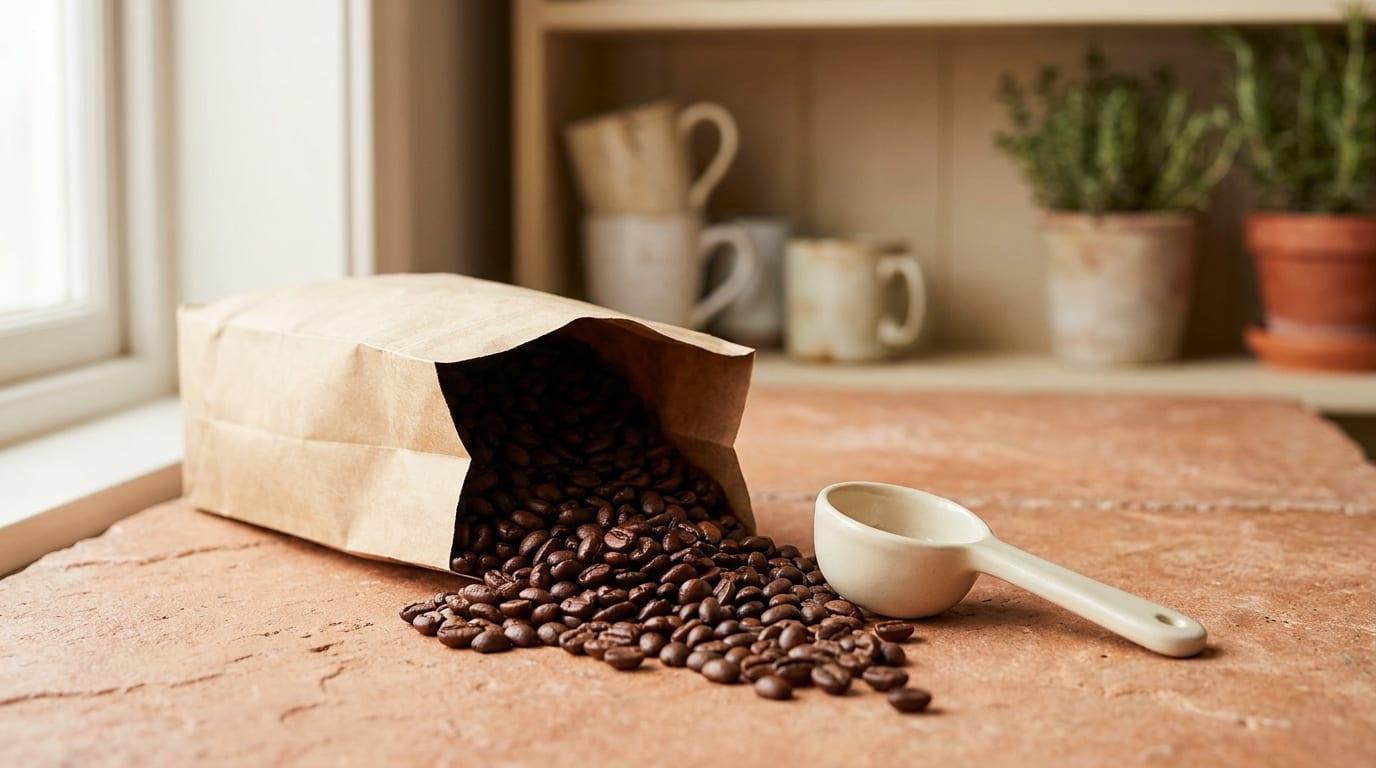
How to Know If Your Coffee Is Expired (And Why Roast Date Matters More)
Discover how to know if your coffee is expired and why the roast date matters more than the expiration date for freshness and flavor.
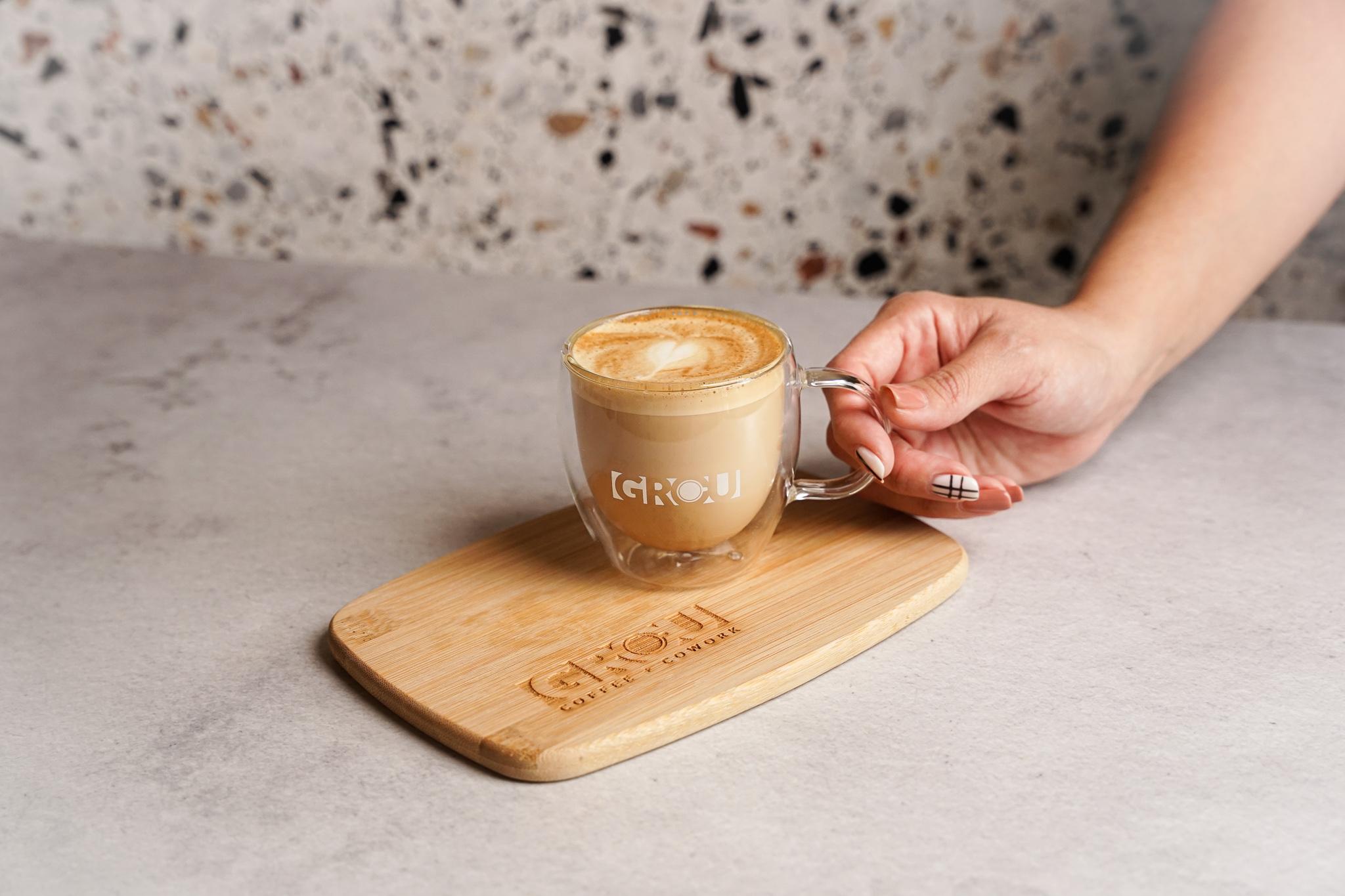
What Is a Cortadito? Miami's Coffee, Explained
A cortadito is Cuban espresso cut with steamed milk and sweetened as it brews. The sugar is the part everyone gets wrong.
What Is a Chagaccino? The Chaga Coffee Drink, Explained
A chagaccino is a cappuccino made with chaga, a fungus that grows on birch trees, blended with cocoa and cinnamon. Here is what it tastes like, how much caffeine it has, and what nobody can honestly claim about it.