

If Your Coffee Needs Sugar… It’s Probably Not the Coffee
Do you automatically reach for the sugar packet? Learn why mass-produced dark roasts force you to sweeten your cup, and how specialty coffee at Grou reveals natural sweetness without the additives.
The Automatic Habit
We see it all the time. You walk into a coffee shop, order a cup, and before you even take a sip, you’re ripping open two packets of sugar.
It’s a habit born out of necessity. For years, we have been trained to believe that coffee is synonymous with "bitter." A strong, harsh, charcoal-like liquid that needs to be tamed with milk and sweeteners just to be palatable.
But here is the hard truth: If you have to put sugar in your coffee to enjoy it, you are probably drinking burnt beans.
The "Dark Roast" Deception
Why is most commercial coffee so bitter? It often comes down to the roast.
Large commercial chains often over-roast their beans (turning them very dark and oily) for a strategic reason: consistency. By burning the bean, you mask the quality of the raw product. It hides defects, ignores the origin, and ensures that a coffee from Brazil tastes exactly the same as a coffee from Ethiopia: like smoke and ash.
When a bean is burnt, all its natural sugars are carbonized. The result? That harsh bitterness that screams for sugar.
The Specialty Difference: Coffee As It Should Be
Specialty Coffee is a completely different game. It respects the bean.
At Grou Community, we serve coffee that has been roasted to highlight the bean's unique DNA, not hide it. When coffee is roasted correctly (usually light to medium):
1 - It Retains Natural Sweetness: Coffee is a fruit (the pit of a cherry). High-quality beans have inherent sweetness, ranging from caramel and chocolate to stone fruits and berries.
2 - It Has Complexity: Instead of just tasting "strong," you might detect notes of jasmine, citrus, or hazelnut.
3 - No Masking Needed: A well-extracted shot of specialty espresso or a pour-over doesn't need a disguise. It stands on its own.
The "First Sip" Rule
We invite you to try a simple experiment next time you visit us in Coral Gables.
Order your usual, maybe a Flat White or a Long Black, but don’t reach for the sugar station. Not yet.
Make it a rule to always take the first sip pure. Let it sit on your palate. You might be surprised to find that it’s smooth, vibrant, and naturally balanced. It’s not bitter; it’s bold. It’s not harsh; it’s rich.
Once you taste coffee as it was meant to be, you might just find that the sugar packet stays in the bowl.
More from GROU: Order fresh-roasted beans and merch from the GROU shop, book a desk, meeting room or private office at GROU Cowork in Coral Gables, or see the menu.
Keep reading
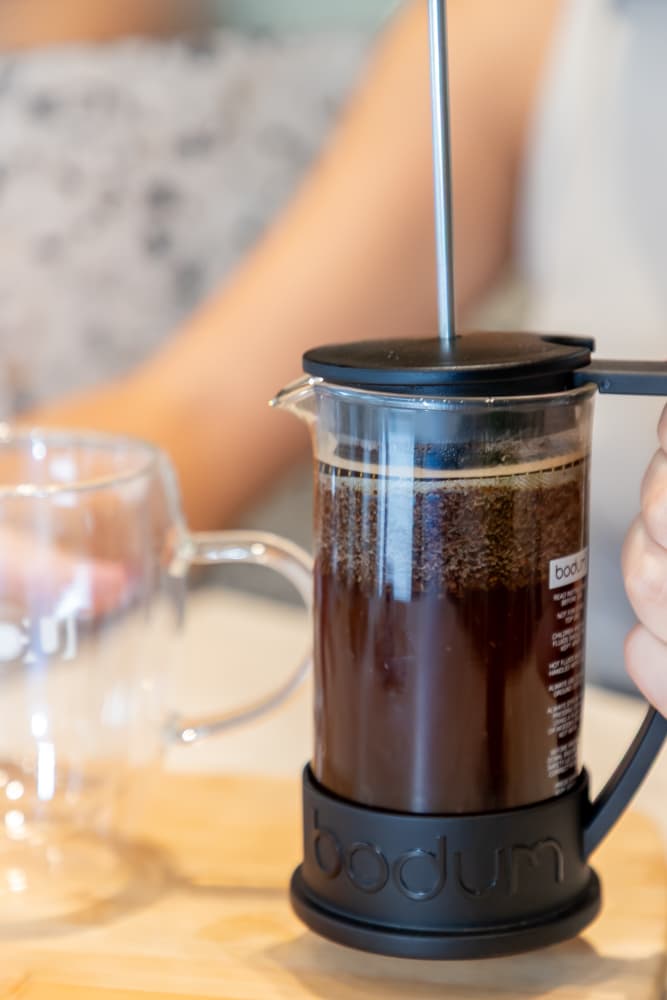
Coffee Grind Size Guide: From Espresso to French Press
Match grind size to espresso, pour-over, drip, French press and cold brew, then learn how to adjust by brew time and taste.
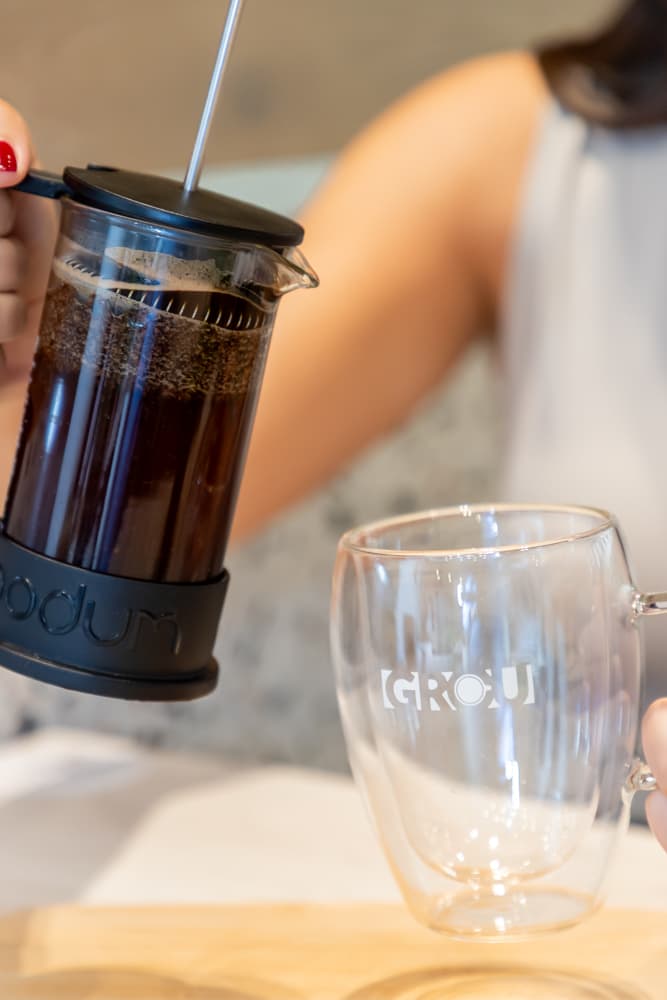
French Press vs Pour Over: Which Brewing Method Is Right for You?
Compare French press and pour-over by flavor, texture, grind, equipment and cleanup, then choose the method that fits your coffee routine.
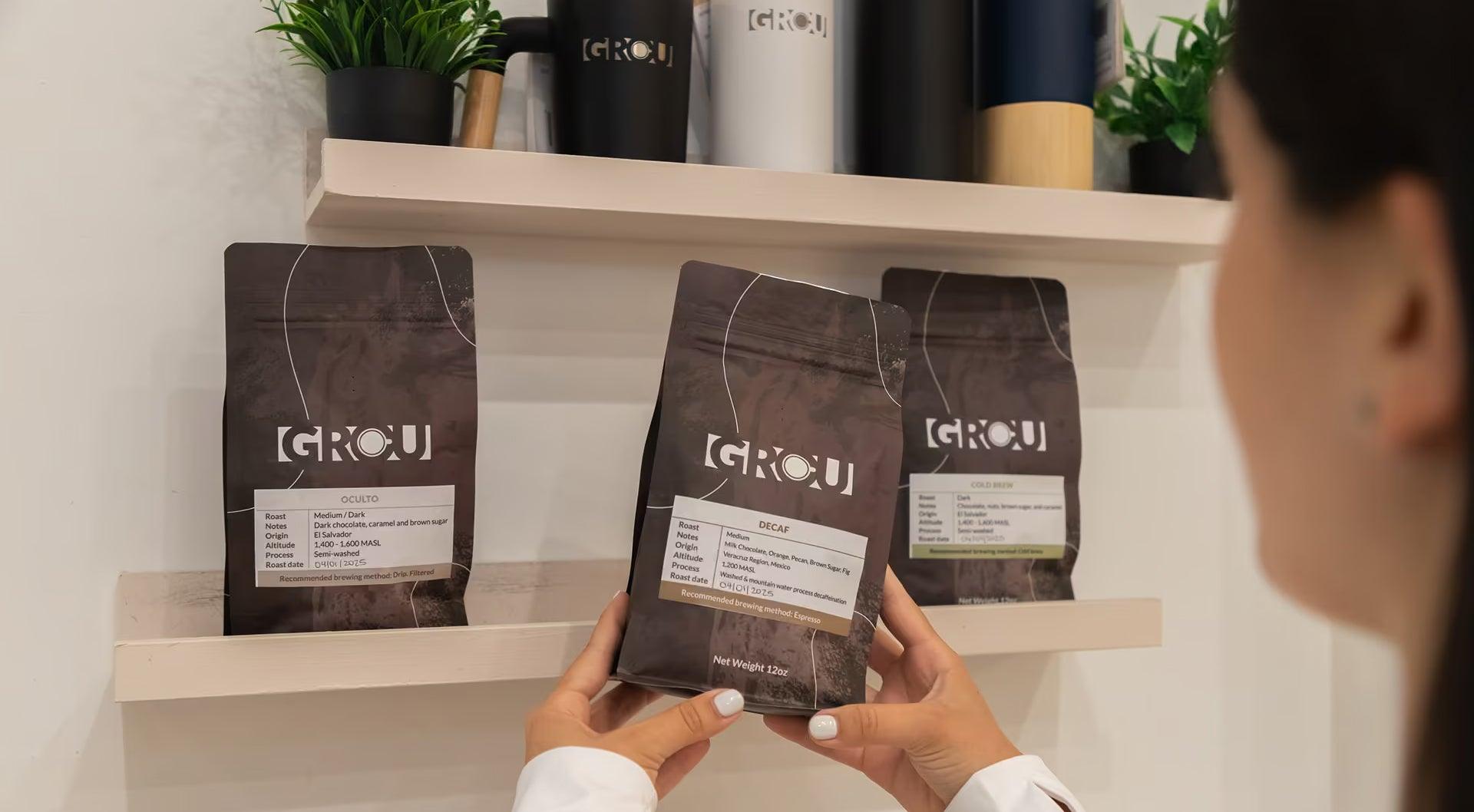
Light Roast vs Dark Roast: Flavor, Caffeine and Which One to Choose
Light and dark roast are not measures of quality or strength. Compare flavor, acidity, bitterness and caffeine so you can choose with confidence.